TL;DR: A men's scalp care routine doesn't need to be complicated. Wash two to three times per week, exfoliate every seven to ten days, moisturize daily, and protect from sun exposure. Scalp care product searches jumped 504% year-over-year (Google Trends, 2025), and for good reason -- a healthy scalp is the foundation of better hair.
Why Should Men Care About Scalp Health?
Your scalp is skin. That's obvious, but most guys treat it like an afterthought. According to the American Academy of Dermatology, an unhealthy scalp can lead to hair thinning, excess oil production, and persistent dandruff -- problems that no haircut can fix.
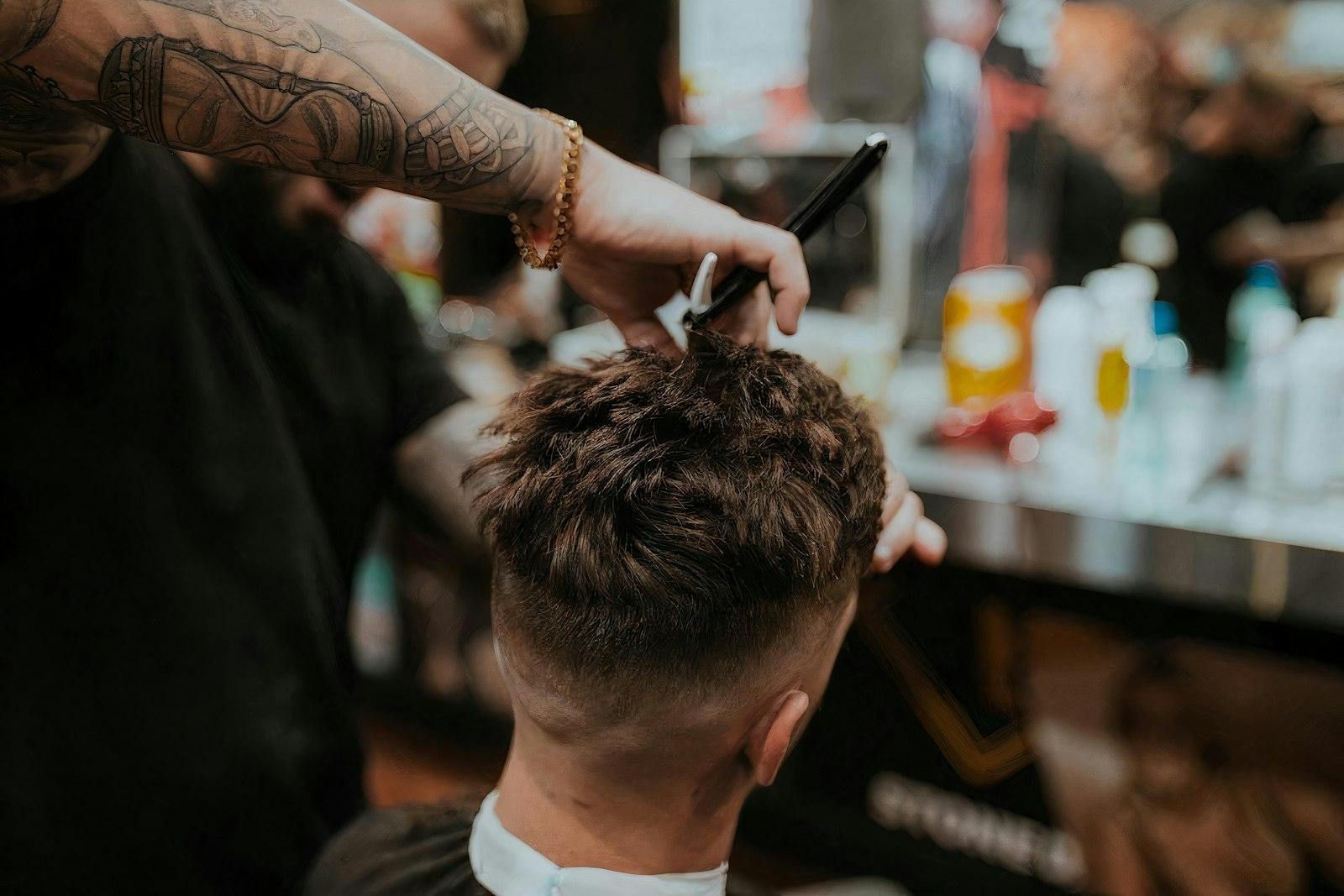
Here in Sacramento, we see the effects of neglected scalps every week. A guy walks in for a fresh fade and his barber notices flaking along the part line, redness near the crown, or buildup that makes the hair sit flat. These aren't cosmetic quirks. They're signs of a scalp that needs attention.
Think of it this way: you wouldn't expect a lawn to thrive in bad soil. Your hair works the same. Healthy follicles produce stronger, fuller hair. Clogged or irritated follicles produce weak, thinning hair. The fix isn't expensive products or a ten-step routine. It's a few consistent habits. The right styling products help too, but they work better on a healthy scalp.
Citation capsule: Scalp care product searches surged 504% year-over-year according to Google Trends data from 2025, signaling a major shift in how men approach grooming. The American Academy of Dermatology confirms that scalp neglect directly contributes to hair thinning and chronic dandruff.
How Often Should You Actually Wash Your Hair?
Less than you think. The Cleveland Clinic recommends most men wash their hair two to three times per week -- not daily. Over-washing strips sebum, the natural oil your scalp produces to protect itself, which triggers your glands to overproduce oil in response.
We had a regular client at our Sacramento shop who washed his hair every morning. He couldn't figure out why his scalp was oily by noon. Once he cut back to three washes per week and switched to a sulfate-free shampoo, the greasiness leveled out within about two weeks. His barber noticed the difference immediately at his next appointment.
What to Use
- Sulfate-free shampoo -- cleans without stripping your scalp's natural moisture barrier
- Lukewarm water -- hot water dries out the skin; cool water closes the cuticle
- Gentle massage -- use your fingertips, not your nails, to work the shampoo in
When to Wash More Often
Sacramento summers push daily highs past 100 degrees regularly. If you're sweating through outdoor work, a gym session, or a weekend at the river, washing more frequently makes sense. The key is using a mild cleanser that doesn't punish your scalp for the extra washes.
In our chairs, the pattern is consistent: clients who switch from daily shampooing to two or three times per week see less flaking and better hair texture within a month. It's the single change we recommend most often.
Does Exfoliating Your Scalp Actually Help?
Yes, and the research supports it. A 2019 study in the Journal of Cosmetic Dermatology found that regular scalp exfoliation reduced sebum levels and improved follicle health over an eight-week period. Exfoliation clears dead skin cells, product buildup, and bacteria that clog hair follicles.
You don't need to scrub hard. Once every seven to ten days is enough for most guys. There are two approaches.
Physical Exfoliation
A scalp scrub with fine granules or a silicone scalp brush works well. Apply the scrub to a wet scalp, massage gently in circular motions for about two minutes, then rinse. The silicone brush option is reusable and travels well -- you can use it right in the shower with your regular shampoo.
Chemical Exfoliation
Products with salicylic acid or glycolic acid dissolve buildup without any scrubbing. These work especially well for men prone to dandruff or seborrheic dermatitis. Apply to the scalp, let it sit for a few minutes, and rinse. The same exfoliating principle is why a hot towel treatment leaves your skin feeling cleaner.
Citation capsule: Regular scalp exfoliation reduces excess sebum and clears follicle-clogging buildup, according to research published in the Journal of Cosmetic Dermatology (2019). Exfoliating once every seven to ten days is sufficient for most men.
What's the Best Men's Scalp Care Routine?
A solid men's scalp care routine has four steps and takes under five minutes on wash days. According to Healthline, consistent scalp maintenance can reduce dandruff symptoms by up to 80% within six weeks when paired with the right products.
Here's the routine we recommend to clients at Tay's Barbershop.
Step 1: Wash (2-3 Times Per Week)
Use a sulfate-free or microbiome-friendly shampoo. Massage into your scalp with your fingertips for 60 seconds. Don't rush this. Rinse with lukewarm water.
Step 2: Exfoliate (Every 7-10 Days)
Pick one method -- scrub or chemical exfoliant -- and stick with it. Do this before your regular shampoo so you can wash away whatever you loosen up.
Step 3: Moisturize (Daily)
A lightweight scalp serum or a few drops of jojoba oil keep the skin hydrated without making your hair greasy. Apply directly to the scalp after towel-drying. For guys with beards, this pairs well with your beard oil routine -- same concept, different real estate.
Step 4: Protect (When Outdoors)
Sacramento averages 269 sunny days per year, according to U.S. Climate Data. Sunscreen for scalp searches rose 171% year-over-year (Google Trends, 2025), and that trend makes sense. UV damage on the scalp can cause dryness, peeling, and even increase the risk of skin cancer. Use a spray SPF on your part line and any thinning areas, or wear a hat.
Most men's scalp care guides skip sun protection entirely. In Sacramento's climate, it might be the single most impactful step you can add to your routine.
How Does Sacramento's Climate Affect Your Scalp?
Sacramento's Central Valley climate creates specific challenges. Summer humidity often drops below 30% while temperatures climb past 100, pulling moisture from exposed skin -- including your scalp. The National Weather Service data for Sacramento shows the region averages fewer than 20 inches of rainfall annually, concentrated almost entirely between November and March.
That dry stretch from May through October is when we see the most scalp complaints at the shop. Guys come in with tight, flaky scalps or irritation they blame on product when it's really the weather.
Summer Strategy
- Increase moisturizing frequency
- Switch to a gentler shampoo
- Apply SPF spray before outdoor time
- Drink more water -- hydration starts from the inside
Winter Adjustments
Sacramento winters bring rain but also indoor heating, which dries out the air in your home. A heavier scalp oil or balm can help during the cooler months. Some clients add a humidifier to their bedroom and notice the difference quickly.
Across our three Sacramento-area locations, scalp-related concerns from clients peak in July and August, then spike again in December when heaters kick on. We adjust our product recommendations with the seasons for exactly this reason.
Citation capsule: Sacramento averages 269 sunny days per year and fewer than 20 inches of annual rainfall, creating persistently dry conditions that strip moisture from the scalp. Sun protection and increased moisturizing are essential from May through October.
Do Scalp Massages Actually Promote Hair Growth?
They do, and there's peer-reviewed research behind it. A 2016 study published in ePlasty found that men who performed standardized scalp massages for four minutes daily over 24 weeks showed measurable increases in hair thickness.
Scalp massage works by increasing blood flow to hair follicles, which delivers more oxygen and nutrients to the hair root. You don't need a special tool. Use your fingertips and apply medium pressure in small circles across your entire scalp.
When to Do It
- During your shampoo routine (you're already in there)
- Before bed to reduce tension
- At the barber -- ask your barber to spend an extra minute on the scalp during your wash
One of our regulars at the Rancho Cordova location started doing two-minute scalp massages during his morning shower. After about three months, he mentioned his hair felt thicker along the crown where it had been thinning. That's one person's experience, not a clinical trial. But the research aligns with what he noticed.
Once your scalp is healthy, the right hair products hold and look better. A clean foundation is what makes styling products perform.
Which Natural Ingredients Help Scalp Health?
Essential oils have genuine research behind them, not just marketing. A study in BMC Complementary Medicine and Therapies found that rosemary oil performed comparably to minoxidil for hair growth over a six-month period, with fewer side effects like scalp itching.
Here are three oils worth considering.
Tea Tree Oil
Antifungal and antibacterial. Effective against dandruff caused by the Malassezia fungus. Add two to three drops to your shampoo or look for shampoos that already contain it.
Peppermint Oil
Creates a cooling sensation and increases blood circulation to the scalp. A good option for Sacramento summers when your scalp feels overheated after time outdoors.
Rosemary Oil
The strongest evidence for hair growth support among essential oils. Mix a few drops with a carrier oil like jojoba or coconut and apply directly to the scalp.
A word of caution. Never apply essential oils undiluted directly to your skin. Always mix with a carrier oil or add to your shampoo. If you have sensitive skin or a condition like psoriasis, check with a dermatologist first.
Citation capsule: Rosemary oil performed comparably to minoxidil for promoting hair growth over six months, according to research published in BMC Complementary Medicine and Therapies. Tea tree oil's antifungal properties make it effective against dandruff caused by the Malassezia fungus.
When Should You See a Dermatologist Instead of Trying DIY?
If your scalp problems persist after four to six weeks of consistent care, it's time to see a professional. The American Academy of Dermatology recommends seeking medical advice for persistent hair loss, chronic redness, or scalp pain -- these may indicate conditions that over-the-counter products won't resolve.
Signs you need a dermatologist, not a new shampoo:
- Sudden or patchy hair loss -- could indicate alopecia areata
- Thick, silvery scales -- may be psoriasis
- Persistent redness and itching that doesn't respond to dandruff shampoo
- Sores or scabs that don't heal
- Noticeable thinning at the crown or temples over several months
Your barber is often the first person to notice these issues. We see your scalp up close every few weeks during your cut or hot towel service. If something looks off, we'll mention it. But diagnosis and treatment belong to a dermatologist.
Frequently Asked Questions
Can a hot towel treatment help my scalp?
Yes. A hot towel treatment opens pores and softens the outer layer of skin, making it easier to remove buildup and dead cells. According to the Cleveland Clinic, steam helps soften skin and loosen debris. It's a good complement to your scalp care routine, especially before exfoliation.
Is dandruff the same as a dry scalp?
No. Dry scalp produces small, white flakes and feels tight. Dandruff (seborrheic dermatitis) produces larger, oily, yellowish flakes and is caused by an overgrowth of the Malassezia fungus. The Mayo Clinic notes that dandruff affects up to 50% of the adult population. Treatments differ, so identifying which one you have matters.
How do I care for my scalp after a fade or short haircut?
Short cuts and fades expose more scalp to sun and wind. Apply SPF to exposed areas daily, moisturize with a lightweight scalp serum, and avoid heavy products that can clog freshly exposed follicles. Sacramento's sun is especially aggressive on freshly faded scalps from April through October.
Does diet affect scalp health?
It does. Zinc, biotin, omega-3 fatty acids, and vitamin D all contribute to scalp and hair health. The Harvard T.H. Chan School of Public Health links deficiencies in these nutrients to hair thinning and dry, flaky skin. Staying hydrated is equally important -- aim for half your body weight in ounces of water daily.
Should I use conditioner on a short haircut?
Conditioner benefits the scalp more than the hair itself on short cuts. A lightweight conditioner or a dedicated scalp conditioner adds moisture back after shampooing. Use it on wash days, focus on the scalp rather than the hair length, and rinse thoroughly.
Your Scalp Deserves the Same Attention as Your Haircut
A men's scalp care routine doesn't require a bathroom full of products or thirty minutes every morning. Four steps -- wash, exfoliate, moisturize, protect -- cover the fundamentals. Sacramento's dry heat and intense sun make consistent care even more worthwhile here than in milder climates.
If you're not sure where to start, ask your barber at your next appointment. The team at Tay's Barbershop sees hundreds of scalps every week across our Sacramento and Rancho Cordova locations. We can point you toward the right products and flag anything that looks like it needs professional attention. Your next haircut is a good time to start the conversation.
Ready for a Fresh Look?
Book your appointment at Tay's Barbershop today. Walk-ins welcome at all three locations.